A holiday home you rent out
Everything on this page: platform bookings, changeovers, guest registration, your own website and the accounts between owners.
For co-owners, families, housemates and their staff
A holiday home or a shared house has several people behind it, and usually runs on group chats, spreadsheets and one person’s memory. TrustedHouses puts the calendar, the changeovers, the repairs, the money and the paperwork in one place, and shows each person the part that concerns them.
None of them is dramatic. Together they are why one person ends up doing everything, and why the others never quite know what is going on.

Calendar
The dates live in a family chat, a spreadsheet and three booking platforms. Your sister assumes the second week is hers, Airbnb has just sold it, and you find out when two cars pull into the drive.
One calendar holds guest bookings, owner and family stays and the weeks the house is closed. It refuses dates that overlap, so a clash shows up when someone plans a stay and not on arrival day.

Arrivals and departures
The person who welcomes guests keeps it all in their head: which keys went out, whether the deposit was paid, what the sofa looked like last week. When something is broken, there is no record to settle it.
Every arrival and departure follows the same checklist on a phone. Keys, the deposit and any damage are recorded with photos, so the state of the house is on file for each stay.
Cleaning and upkeep
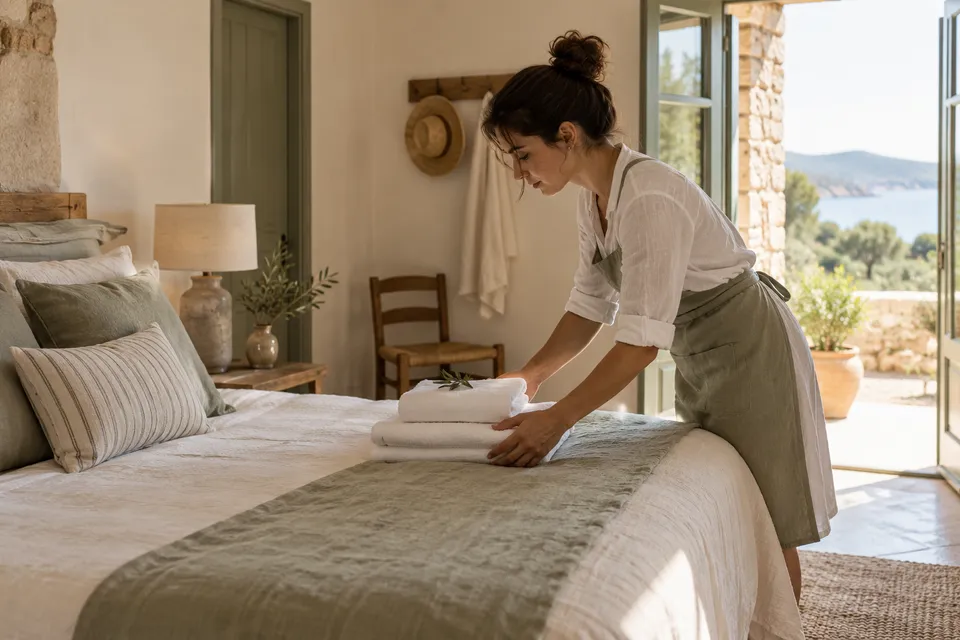
Each booking means a message to the cleaner, and one forgotten message means a house that isn't ready. The pool service, the boiler check and the tourist tax return are remembered the same way: by someone, usually too late.
A cleaning task is created for every stay and assigned to your cleaner, with the changeover date on it. Jobs that come back every month or every year are set up once and reappear by themselves.
Money
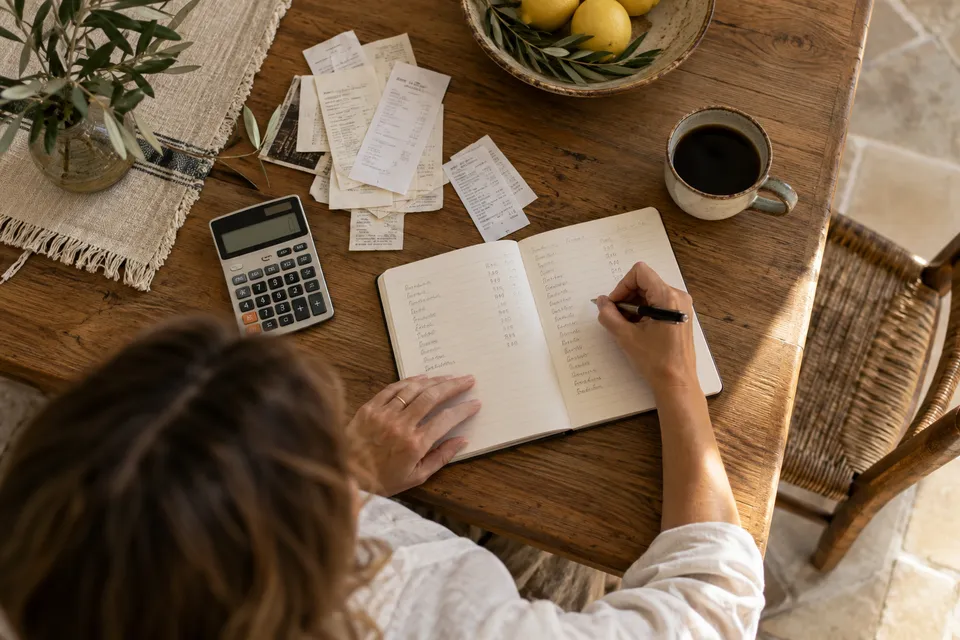
One owner pays the insurance, another the plumber, a third collects the rent. By December the receipts are in three inboxes, the spreadsheet is half finished and the conversation about money is the one everybody avoids.
Every cost and every booking payment goes into one ledger, with the receipt attached. TrustedHouses splits the costs by each owner's share and shows who should pay whom to be even.

Repairs and suppliers
Everyone who stays notices it and everyone assumes someone else has called the plumber. Nobody remembers which plumber came last time, what he charged, or whether the quote was ever accepted.
Anyone at the house reports a problem with a photo. It lands on a board where one person owns it, a supplier is assigned and the cost is followed from estimate to invoice.

Paperwork and ownership
A house that stays in a family changes hands in pieces: a purchase, a donation to the children, an inheritance. Years later nobody can say exactly who owns which share, what it cost to pass on, or how much is left on the mortgage.
Deeds, insurance policies, manuals and contracts sit in shared folders, with a reminder before anything expires. An ownership register records who owns what, and how that came about.
Guests
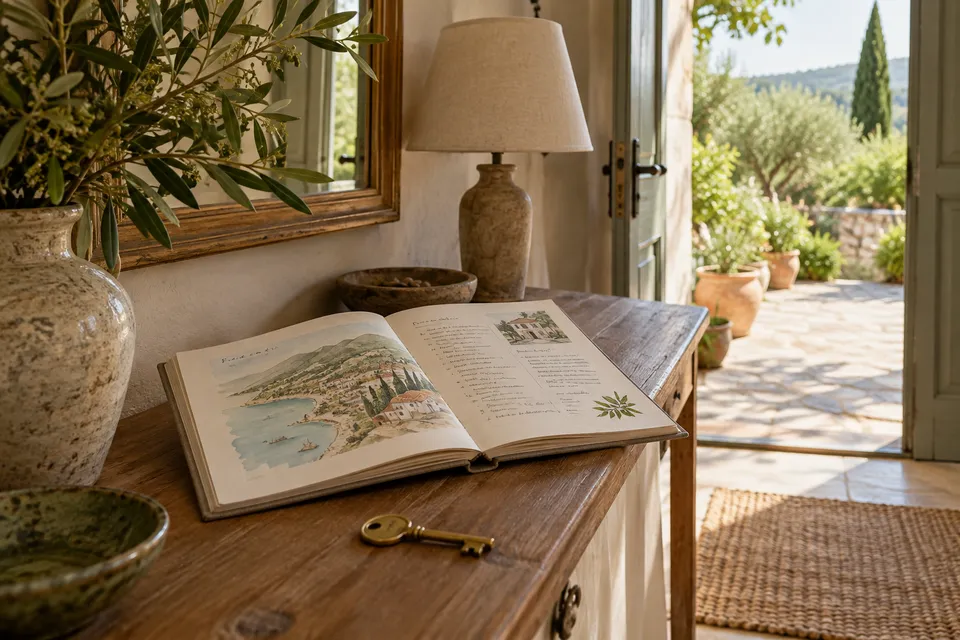
Every guest asks the same questions, and the answers are in a PDF you last updated two summers ago. The door code is in the message history of everyone who ever stayed. In many countries you also have to register each guest with the police, by hand.
Each booking gets a link to your house guide: directions, Wi-Fi, how the heating works, house rules and local tips. Door codes appear only during that guest's stay and disappear afterwards.
Direct bookings
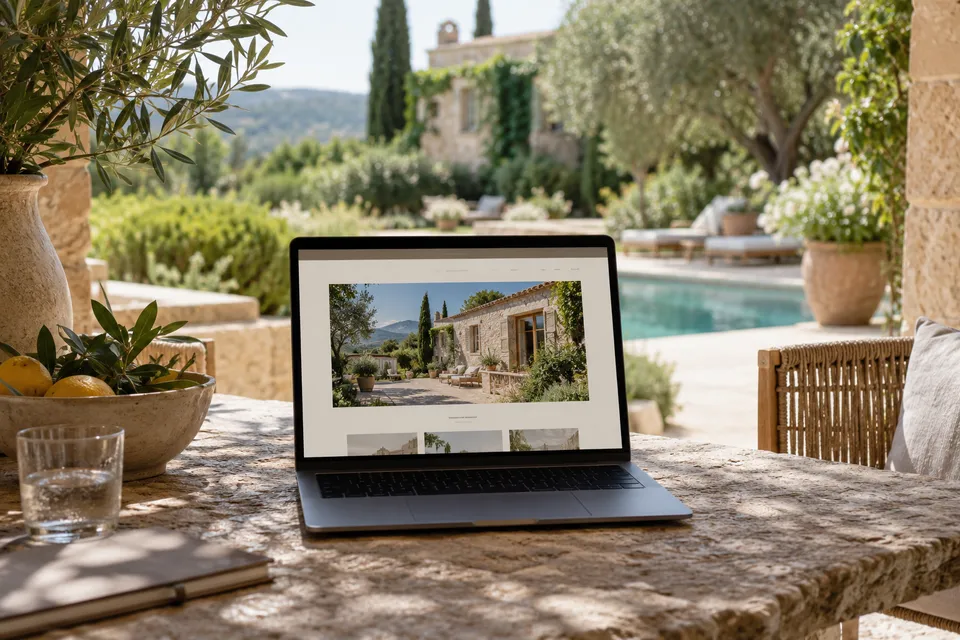
The family that comes back every June would happily book with you directly, but there is nowhere to send them. Building and maintaining a website for one house never reaches the top of the list.
Your house gets its own website from the photos and details you already entered, on your own domain if you have one. It shows live availability and lets guests ask a question or request dates.
Who sees what
A shared spreadsheet shows everything to everyone, so in practice it is shared with almost no one, and the people doing the work are kept informed by text message.
In TrustedHouses you invite each person with a role. The invitation spells out what that role can manage, what it can only look at and what it never sees, and the same rules apply on the web, in the iPhone app and through an AI assistant.
| Owner | Co-owner | Family | Staff | |
|---|---|---|---|---|
| Calendar | Manage | Manage | Own stays | View |
| Check-ins | Manage | Manage | View | Manage |
| Tasks and repairs | Manage | Manage | Manage | Manage |
| Documents | Manage | Manage | Shared folders | Shared folders |
| Money | Manage | Manage | No access | No access |
| Ownership and loans | Manage | View | No access | No access |
You say what kind of home it is when you add it. TrustedHouses hides what doesn’t apply, so a family house isn’t cluttered with guest features it will never use.
Everything on this page: platform bookings, changeovers, guest registration, your own website and the accounts between owners.
The website, booking requests and guest registration are switched off. What remains is who stays when, the upkeep, the shared costs and the ownership register.
The lease, the deposit and the notice period in one place, each housemate's part of the rent, and the same shared costs and repairs.
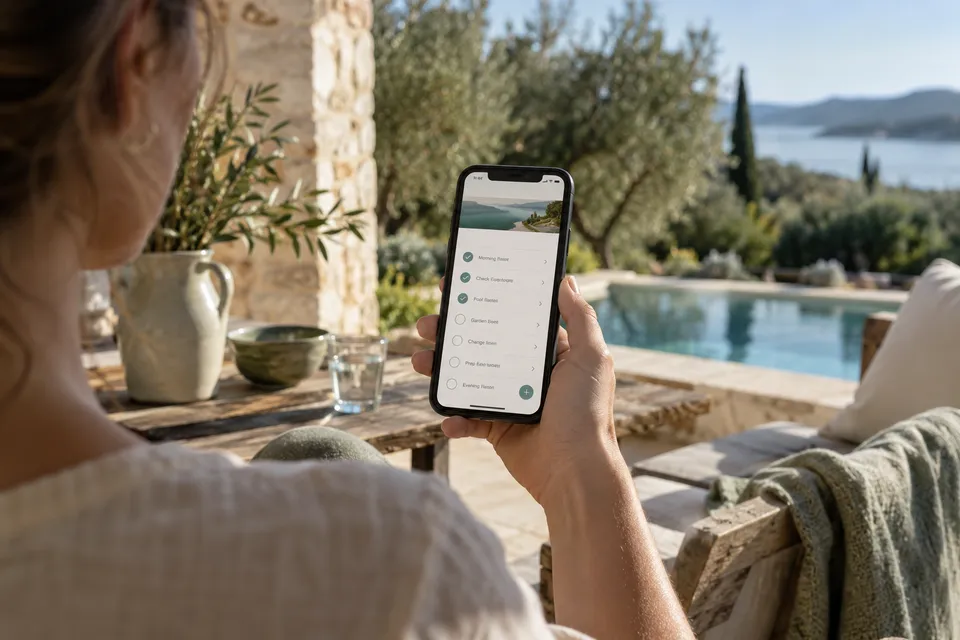
Whoever is at the house has it in their pocket: today's arrivals and tasks, check-ins that work offline, receipts scanned on the spot and a notification when something needs you.

Connect your AI assistant and ask “what did the house cost us this year?” or say “log a broken dishwasher”. It acts with your role's permissions, and everything it does is in the activity log.
Add the house with its name and country, then invite the others. A short checklist takes you through the rest. TrustedHouses is free to use today.